
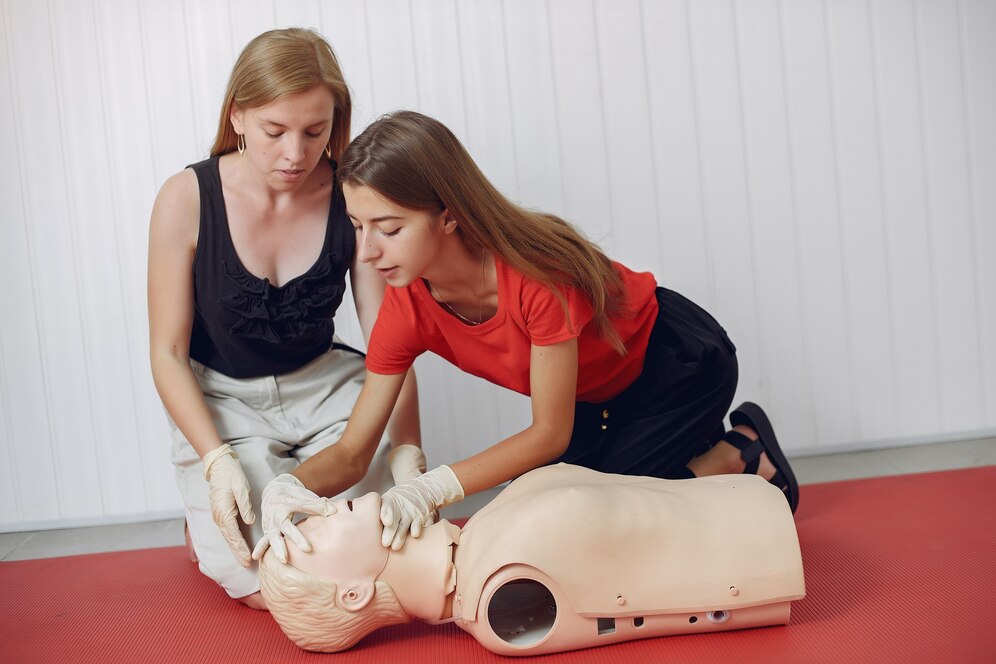
Emergencies can happen at any time, whether at home, in the workplace, on the road, or during recreational activities. In many situations, the first few minutes after an accident or medical emergency are the most important. The actions taken before professional medical help arrives can significantly influence the outcome. This is the reason why first aid course Darwin remains essential in the development of more resilient and secure communities.
Learning first aid is not only about responding to major emergencies. It also equips people with practical skills to handle everyday incidents confidently, reducing panic and encouraging calm, informed decision-making when it matters most.
Building Confidence To Respond Quickly
Many people hesitate during an emergency because they are unsure of what to do. Fear of making a mistake often prevents bystanders from offering assistance. First aid education replaces uncertainty with knowledge and practical experience.
Through hands-on learning and realistic scenarios, participants gain confidence in assessing situations, protecting themselves and others, and providing appropriate care until emergency services arrive. This confidence encourages faster action, which can make a meaningful difference during critical moments.
Creating Safer Homes For Families
Homes are among the most common places where accidents occur. Falls, burns, cuts, choking incidents, and allergic reactions can affect people of all ages. Injuries necessitating immediate attention are particularly prevalent among young children and elderly adults.
The completion of a Darwin first aid course assists family members in preparing for these situations by providing practical techniques that can be implemented prior to the availability of professional medical care. Parents, grandparents, and caregivers become better equipped to respond calmly, helping reduce stress while providing essential support during emergencies.
Supporting Workplace Safety
Every workplace carries its own set of potential hazards, regardless of industry. Offices may encounter slips and falls or medical emergencies, while construction sites, warehouses, and manufacturing facilities frequently involve elevated physical hazards.
Employees trained in first aid become valuable resources within their organisations. They can recognise warning signs, provide immediate assistance, and support workplace emergency procedures. Beyond responding to accidents, trained individuals also help promote a stronger culture of safety by encouraging awareness and prevention among coworkers.
Organisations that invest in employee training often experience improved preparedness and greater confidence throughout their teams.
Strengthening Community Resilience
Communities become stronger when more individuals possess life-saving skills. Sporting clubs, schools, volunteer organisations, neighbourhood groups, and community events all benefit from having trained people who can respond during unexpected situations.
When emergencies occur in public places, trained bystanders often become the first line of assistance before paramedics arrive. Their ability to provide reassurance, stabilise injuries, and manage the situation can help protect both the injured person and those around them.
As more residents participate in first aid education, communities develop a shared sense of responsibility for one another’s well-being.
Preparing For Cardiac Emergencies
Cardiac arrest continues to be one of the most severe medical emergencies, in which every second is crucial. Immediate intervention significantly improves survival rates, making CPR knowledge one of the most valuable skills anyone can learn.
Obtaining a CPR certificate Darwin provides individuals with practical instruction on performing chest compressions, using automated external defibrillators where available, and responding effectively during cardiac emergencies. These skills can help sustain life until professional medical teams take over.
The confidence gained through proper CPR training encourages faster responses instead of hesitation during critical moments.
Encouraging Prevention As Well As Response
One of the greatest benefits of first aid education is that it promotes prevention alongside emergency response. Participants develop a greater awareness of common hazards and learn how simple precautions can reduce the likelihood of accidents.
Whether identifying trip hazards, practising safe lifting techniques, storing medications correctly, or recognising signs of heat-related illness, trained individuals often make safer decisions in everyday life. This proactive mindset contributes to healthier homes, safer workplaces, and more secure public environments.
Supporting Outdoor And Recreational Activities
Darwin offers many opportunities for outdoor recreation, including parks, sports, fishing, hiking, and community events. While these activities provide enjoyment and promote healthy lifestyles, they also present unique risks such as dehydration, insect bites, sprains, fractures, and environmental injuries.
People with first aid training are better prepared to respond appropriately during these situations, allowing outdoor activities to remain enjoyable while minimising potential harm. Their knowledge helps protect both family members and fellow participants during recreational events.
A Skill That Benefits Everyone
First aid training is valuable regardless of age, profession, or experience. Students, parents, teachers, healthcare workers, office employees, tradespeople, retirees, and community volunteers all benefit from learning practical emergency response skills.
Unlike many qualifications that serve only specific careers, first aid knowledge can be used anywhere and at any time. The skills remain relevant throughout life, providing reassurance that help can be given whenever it is needed most.
Conclusion
Safer communities are built when ordinary people are prepared to act during extraordinary situations. Training in first aid provides individuals with the practical knowledge, confidence, and capacity to make informed decisions in high-pressure situations. As more people across Darwin gain these essential skills, homes become safer, workplaces become better prepared, and communities become stronger. Investing time in first aid education is ultimately an investment in protecting family, friends, neighbours, and everyone who may need immediate help when every moment counts.